01
Sees clutter, not fixtures
Stereo depth plus rolling LiDAR builds a fresh scene model every 40 ms, so a pallet left in the wrong place is an obstacle — not a failed run.
Optimus Gen-3 is a bipedal work platform that picks up your tools, walks your floors and follows your procedures. No retooling. No safety cages. No bespoke end-effectors for every task.
 Sensor dome
Stereo visor
Shoulder yoke
Sensor dome
Stereo visor
Shoulder yoke
Fixed automation asks the building to adapt: new fixtures, new guarding, new line balance, six months of integration. Gen-3 inverts that. It is shaped like the person who did the job yesterday, so it inherits the workspace as it already exists.
11 days
Median from crate to first supervised production task across 14 pilot sites.
340+
Pre-trained manipulation and locomotion behaviours shipped with every unit.
97.4%
Rolling 90-day availability across the Gen-2 fleet still in daily service.
Zero
No fixtures, no floor anchors, no line stoppage. It walks in and starts learning.
Gen-3 started as a list of 212 jobs our pilot customers could not automate. Every joint, every gear ratio and every gram of the chassis was argued against that list — not against a spec sheet.
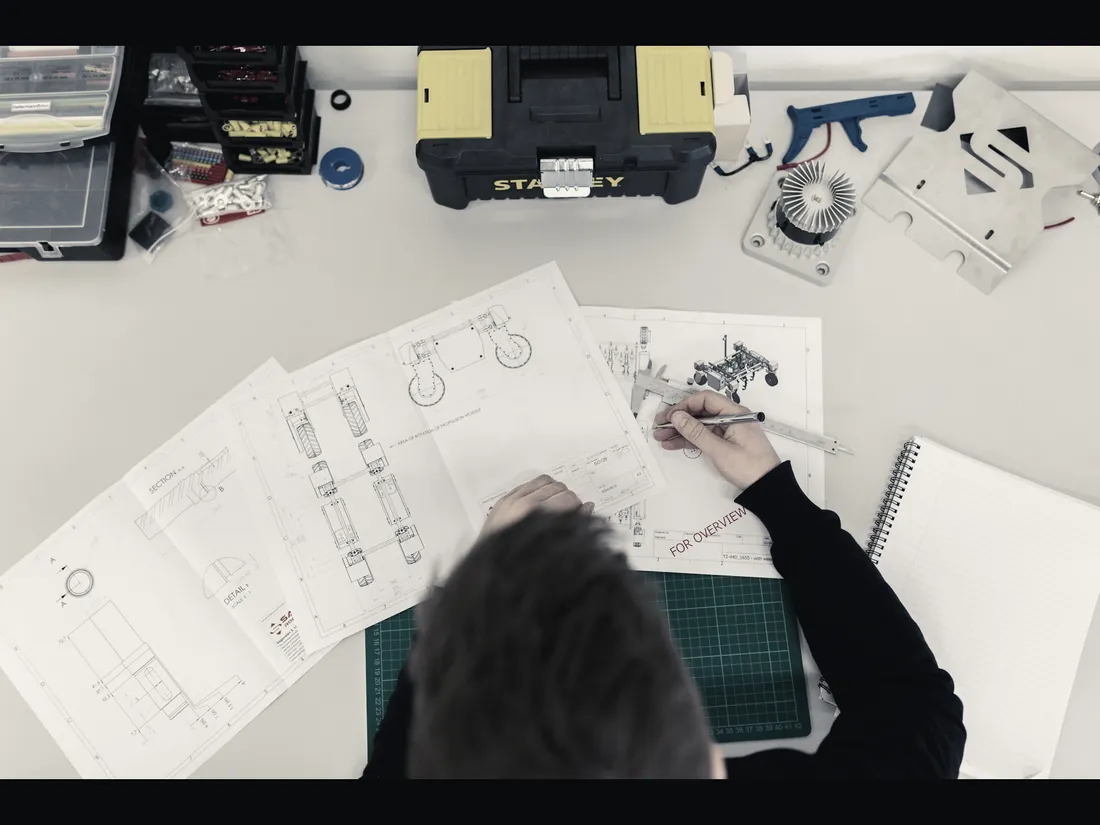
Select a marker on the drawing — or a subsystem below — to read the engineering notes for that assembly. Every figure on this page is drawn from the Rev. C production release.
Placeholder
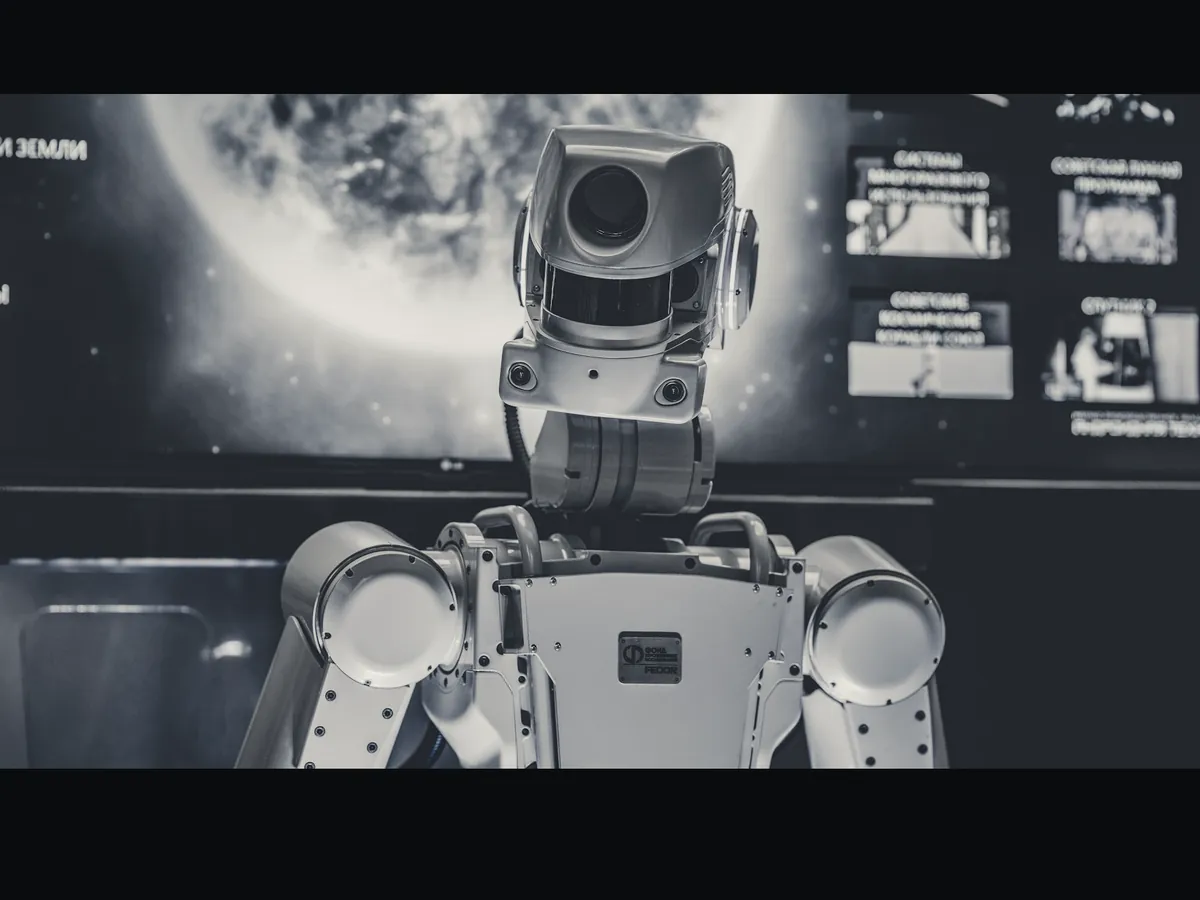
Gen-3 ships with a behaviour library, not a demo reel. Everything below runs on the standard unit with no additional hardware.
Stereo depth plus rolling LiDAR builds a fresh scene model every 40 ms, so a pallet left in the wrong place is an obstacle — not a failed run.
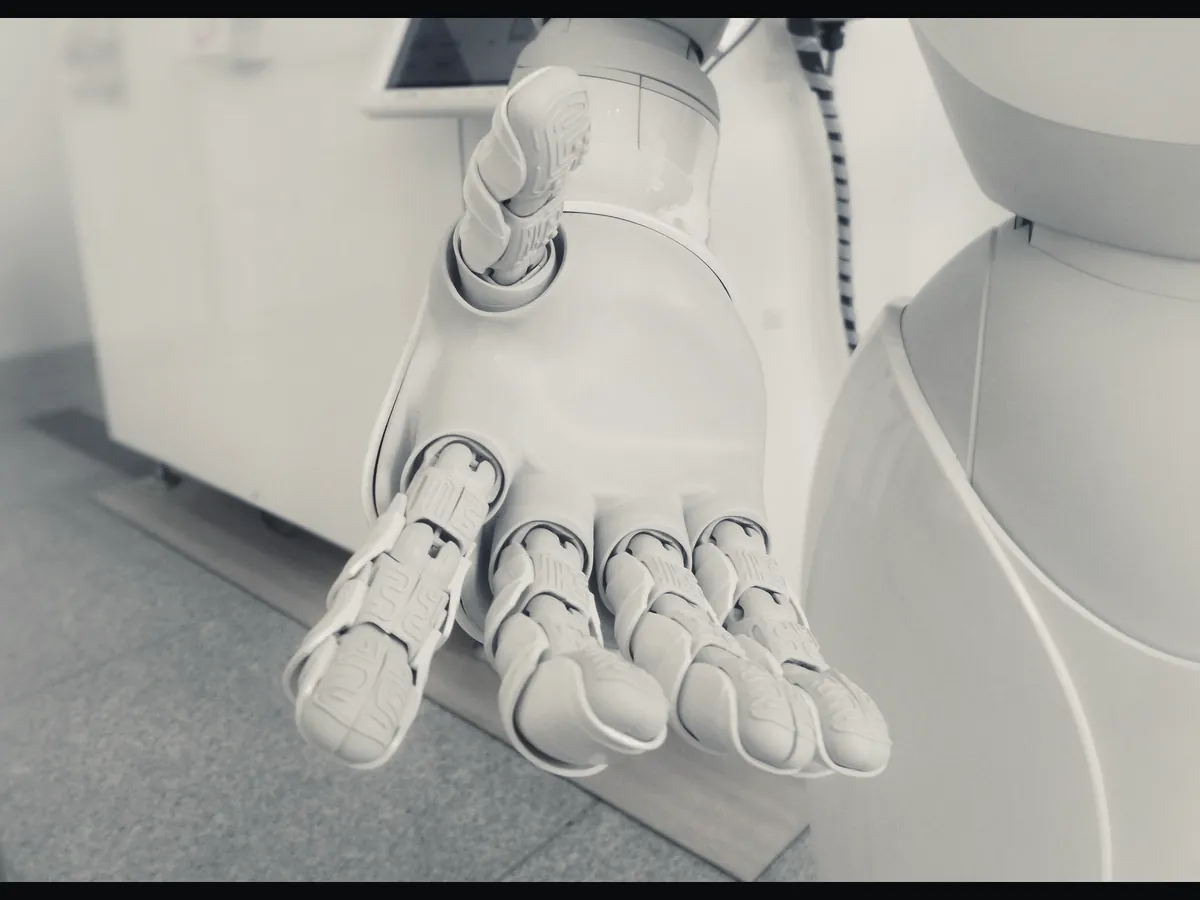
Five-digit manipulators with 1,100 tactile taxels per palm. Trigger tools, latches, totes and touchscreens — no custom end-effector programme.
A supervisor walks the unit through a task twice in teach mode. The policy generalises across the cell and syncs to every other unit on site.
Dual redundant safety controller, capacitive skin on every proximal link and a certified 118 ms stop from full gait.
9.5 h nominal duty on a 2.4 kWh pack, or continuous operation with a 90-second hot swap at the dock.
All perception and control run locally. Network loss degrades reporting, never motion safety or task execution.
Figures below are measured from live sites running the previous generation. Gen-3 carries the same behaviour library forward with roughly 1.6× the cycle speed.
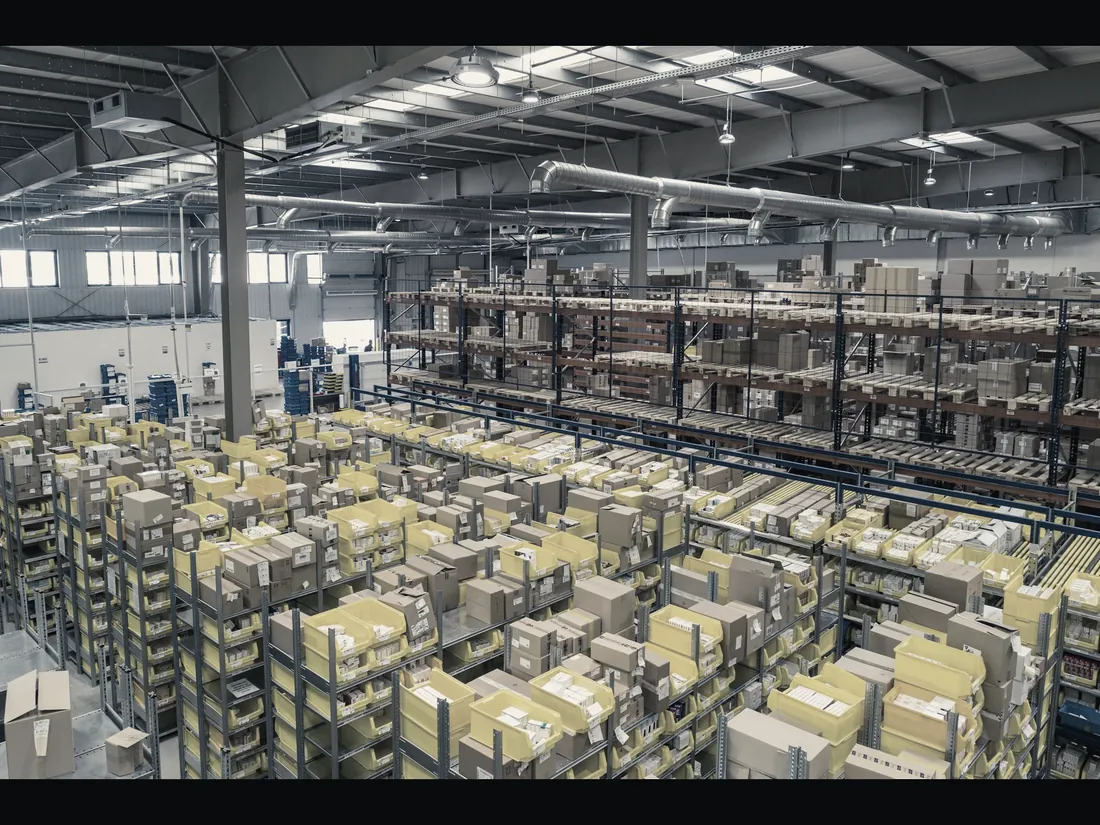 Case 4.1
Tote induction, mixed-case decanting and cycle counting across aisles that were never designed for an AMR footprint.
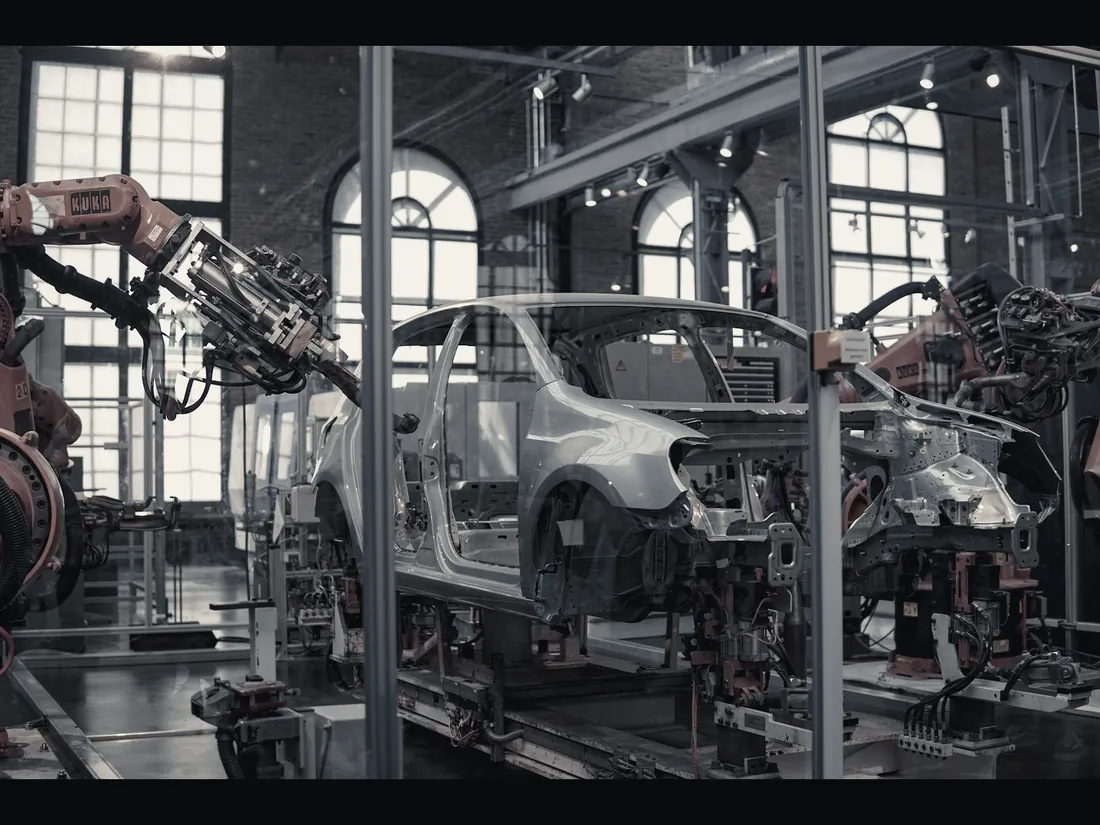 Case 4.2
Kitting, fastener replenishment and machine tending on legacy cells where guarding a new arm would have cost more than the arm.
 Case 4.3
Gauge reading, valve state checks and thermal sweeps on fixed routes through plant rooms, at night, without lighting changes.
Values are nominal at 20 °C on a level datum with a 24 kg payload. Full mechanical and electrical drawings are released under NDA at reservation stage two.
Gen-3 is a general-purpose platform and is not certified for use in explosive atmospheres, in contact with foodstuffs, or as a component of a life-safety system. See the Product Disclaimer.
Gen-3 is designed for shared floors. Authority is layered so that the fastest loop is always the one that stops the machine, and a person can always take that loop.
Reservations are sequenced by build slot, not by order value. You can withdraw at any point before stage four and the deposit is returned in full.
A refundable deposit holds a position in the 2027 build queue. No configuration is locked and nothing is charged beyond the deposit.
Our applications team reviews your task list against the behaviour library and returns a written feasibility note, with the full datasheet under NDA.
A remote or on-site survey of aisles, floor finish, lighting and network. You receive a readiness report and a fixed integration quote.
Units arrive crated and calibrated. Two days of supervised teach-in, then handover to your own operators with 12 months of included support.
Every configuration shares the same chassis, safety controller and behaviour library. The differences are actuation class, pack capacity and support tier. Indicative list prices, per unit, excluding duties and local taxes.
Single-cell pilots
$72,000Deposit $2,500 — refundable
Multi-shift production
$104,000Deposit $5,000 — refundable
Fleet operations
$149,000Deposit $7,500 — refundable
Slots are allocated in the order reservations are confirmed. Deposits are fully refundable until the site survey is signed off.
Reserve a unitIf your question is not here, write to [email protected] and an applications engineer will answer it directly.
No. The platform is force-limited in hardware and carries capacitive skin on every proximal link, which is what allows it to work on a shared floor. What it does need is a risk assessment for each cell — our applications team produces that with you during stage three, and it is a document exercise rather than a construction one. Floors need no anchors, rails or reflective markers.
Your own supervisors do, using teach mode. A typical pick-and-place or machine-tending task is demonstrated twice and refined once, which takes about 25 minutes end to end. Nothing is written in code. More complex sequences — multi-station kitting, for instance — are composed from library behaviours in the fleet console, and that is a drag-and-drop exercise rather than a programming one.
It stops, holds position and escalates. Gen-3 will not improvise its way through an unrecognised scene: the task policy has a confidence envelope, and anything outside it raises an operator request in the fleet console with a frame of what it is looking at. An operator resolves it in seconds, and that resolution is available to every other unit on site.
It is processed on board and, by default, stays there. Fleet telemetry — task outcomes, fault codes, battery health — is opt-in and configured by your administrator. Raw camera frames are never transmitted unless someone with administrator rights explicitly attaches them to a support ticket. The full account is in our Privacy Policy.
Eleven line-replaceable modules, all accessible with a single hex driver. A forearm or lower-leg swap is a six-minute, two-bolt job that your maintenance team is trained on at commissioning. Consumables — pad sets, filters, the battery pack — have published service intervals, and spares ship from regional stock.
Yes, in full, at any point up to the moment you counter-sign the site survey at stage three. After that the deposit is applied to the unit price and the standard cancellation terms in our Refund & Cancellation Policy take over. We do not hold a reservation you have asked to release.
Submitting this form places a non-binding reservation request. Nothing is charged here — an applications engineer confirms your slot and the deposit arrangement by email within two business days.
Your slot is provisionally held. An applications engineer will confirm the build position and deposit arrangement by email within two business days. Keep the reference below for any correspondence.
REF · —